Yes, a leather vest can be warm enough for fall, especially on mild, dry days when you wear it over a long-sleeve shirt or sweater. It adds another layer across your chest and back while keeping your arms free to move. That makes it useful for casual outings, short walks, and changing temperatures.
But a leather vest has limits. Most fashion leather vests cannot replace a properly insulated, full-sleeve jacket when the weather becomes cold, windy, or wet. Even a thick leather vest leaves your arms without the same outer coverage as your torso.
The real question is not simply whether leather feels warm. It is whether your vest, the clothing underneath it, and the weather conditions work together to keep you comfortable.
What Warmth Can a Leather Vest Actually Provide?
A leather vest mainly covers your torso. Depending on its construction, the outer leather may reduce some direct airflow across the chest and back. The clothing underneath also contributes to warmth, especially when you wear a sweater, thermal top, or other insulating layer.
However, leather alone does not guarantee strong insulation. An unlined leather vest may add coverage and reduce some drafts without trapping as much warm air as a garment with dedicated insulation.
According to REI's guide to clothing layers, different layers serve different purposes. Base layers manage moisture, insulating layers help retain body heat, and outer layers protect against wind and rain.
A leather vest may contribute to torso coverage and some wind resistance, but that does not mean it performs all three functions. Its actual performance depends on the material, finish, lining, fit, and construction.
There are also obvious gaps in coverage. The armholes, neckline, and front opening can allow cold air to reach the layers beneath. Leaving the vest open may be comfortable on a mild afternoon but less helpful when a chilly breeze develops.
Think of a leather vest as an additional layer for your upper body rather than a complete cold-weather system.
When is a Leather Vest Warm Enough During Fall?
Fall weather differs across the United States. A sunny afternoon in Southern California can call for very different clothing than a November morning in the Upper Midwest.
The following examples are practical dressing recommendations, not tested temperature ratings for leather garments.
| Fall Conditions | What a Leather Vest Can Do | Better Clothing Decision |
|---|---|---|
| Mild, dry afternoon | Adds torso coverage and works as a light outer layer over long sleeves. | A vest may be sufficient for short, casual outings. |
| Cool morning followed by a warmer afternoon | Provides an adjustable layer that is relatively easy to remove. | Wear it over a suitable knit or shirt and bring a jacket if conditions may change. |
| Windy park, outdoor stadium, or prolonged waiting | Covers the torso but leaves less protection around the arms and openings. | Prefer full-sleeve outerwear with suitable wind protection. |
| Rainy fall commute | Does not provide dependable rain protection unless the specific garment is designed and rated for that purpose. | Choose weather-appropriate rainwear. |
| Near-freezing evening or extended time outdoors | May add torso coverage but is generally inadequate as the only outer layer. | Choose appropriate insulation, full-sleeve coverage, and cold-weather accessories. |
Wind deserves particular attention. The National Weather Service explains wind chill as the combined effect of air temperature and wind on how cold exposed skin feels. Stronger wind can make an otherwise manageable day feel considerably colder.
How long you remain outside also matters. A leather vest that feels comfortable during a short walk between your car and a restaurant may not provide enough warmth during an outdoor football game.
Personal comfort varies, too. People who tend to feel cold, remain inactive, or spend time in damp conditions may need more insulation and coverage than someone walking briskly on a dry afternoon.
Unlined, Lined, and Insulated Leather Vests: What Changes?

Two leather vests can look similar from the outside while providing very different levels of comfort. The most useful comparison is their actual internal construction, not their appearance or leather label alone.
Unlined or Lightly Lined Leather Vests
An unlined leather vest has no separate full interior fabric lining, while a lightly lined vest may have a relatively thin fabric layer. Both can work as fashion layers during mild fall weather.
A smooth lining may help the vest slide over shirts and sweaters. However, a thin decorative or comfort lining should not automatically be treated as meaningful thermal insulation.
These designs make sense when you mainly want a structured outer layer and already have enough warmth from your clothing underneath.
Quilted, Padded, or Shearling-Lined Vests
Some vests contain insulating fill, quilted padding, fleece, or genuine shearling. These constructions may retain more warm air around the torso than an otherwise comparable uninsulated vest.
As REI's explanation of insulated outerwear notes, insulation is designed to trap warm air near the body.
That does not mean every quilted or fur-look vest offers the same warmth. Decorative quilting does not prove the presence of insulating fill, and a soft-looking lining does not establish that it is genuine shearling.
Check the garment's actual description for lining composition, insulation, coverage, and construction. If those details are missing, its warmth remains uncertain.
Even an insulated leather vest is still sleeveless. It can improve torso comfort without replacing the arm coverage of a jacket.
How to Layer a Leather Vest for Fall Comfort?
Good fall layering starts with the weather and your activity, not just the appearance of the outfit. Choose the clothing underneath the vest to provide appropriate arm coverage and warmth.

For Mild, Dry Fall Days
Wear a regular-fit leather vest over a long-sleeve cotton shirt, lightweight sweater, or flannel. Add straight-leg jeans, chinos, and comfortable boots or sneakers.
This combination works for casual errands, coffee outings, and other short activities when you do not need heavy insulation.
For Cooler Mornings
Try a fine-gauge sweater or a comfortable, moderately warm hoodie beneath your vest. A vest with enough chest and armhole room can accommodate these layers without excessive pulling or bunching.
If you expect temperatures to drop later, bring a full-sleeve jacket rather than relying on the vest alone.
For Smart-Casual Fall Outfits
A simple leather vest over a fitted mock-neck sweater or button-down shirt can create a cleaner silhouette. Pair it with dark trousers, a belt, and leather boots or loafers.
This outfit works best when the vest fits smoothly and the weather does not demand substantial outerwear.
Avoid forcing several thick layers beneath a tightly fitted vest. Too much fabric around the chest and armholes can restrict movement without providing the comfortable layering system you need.
For more detailed outfit and proportion advice, see our guide on layering leather vests over hoodies, knits, and shirts without adding bulk.
How Should a Leather Vest Fit for Fall Layering?
A vest that looks right over a T-shirt may feel restrictive over a fall sweater. Before choosing a size, decide which clothing you plan to wear underneath most often.
Compare your measurements with the specific product's size chart. Check whether the chart describes body measurements or finished-garment measurements, because those are not interchangeable.
- Chest: The front should close comfortably over your usual layer without pronounced pulling or pressure.
- Armholes: The underlying shirt or sweater sleeves should move without uncomfortable compression or rubbing.
- Shoulders: The shoulder area should follow the intended silhouette without excessive lifting, drooping, or restriction.
- Hem: The vest should sit comfortably when standing and sitting, without digging into your waist.
- Movement: Reach forward, lift your arms, and sit down to check whether the vest restricts normal activity.
Do not automatically size up just because you want to wear a sweater. The right choice depends on the cut, your measurements, and the thickness of your usual layers.

If the retailer's size chart includes unclear or irrelevant measurements, request clarification before ordering. Do not assume that a general jacket size chart accurately describes a sleeveless vest.
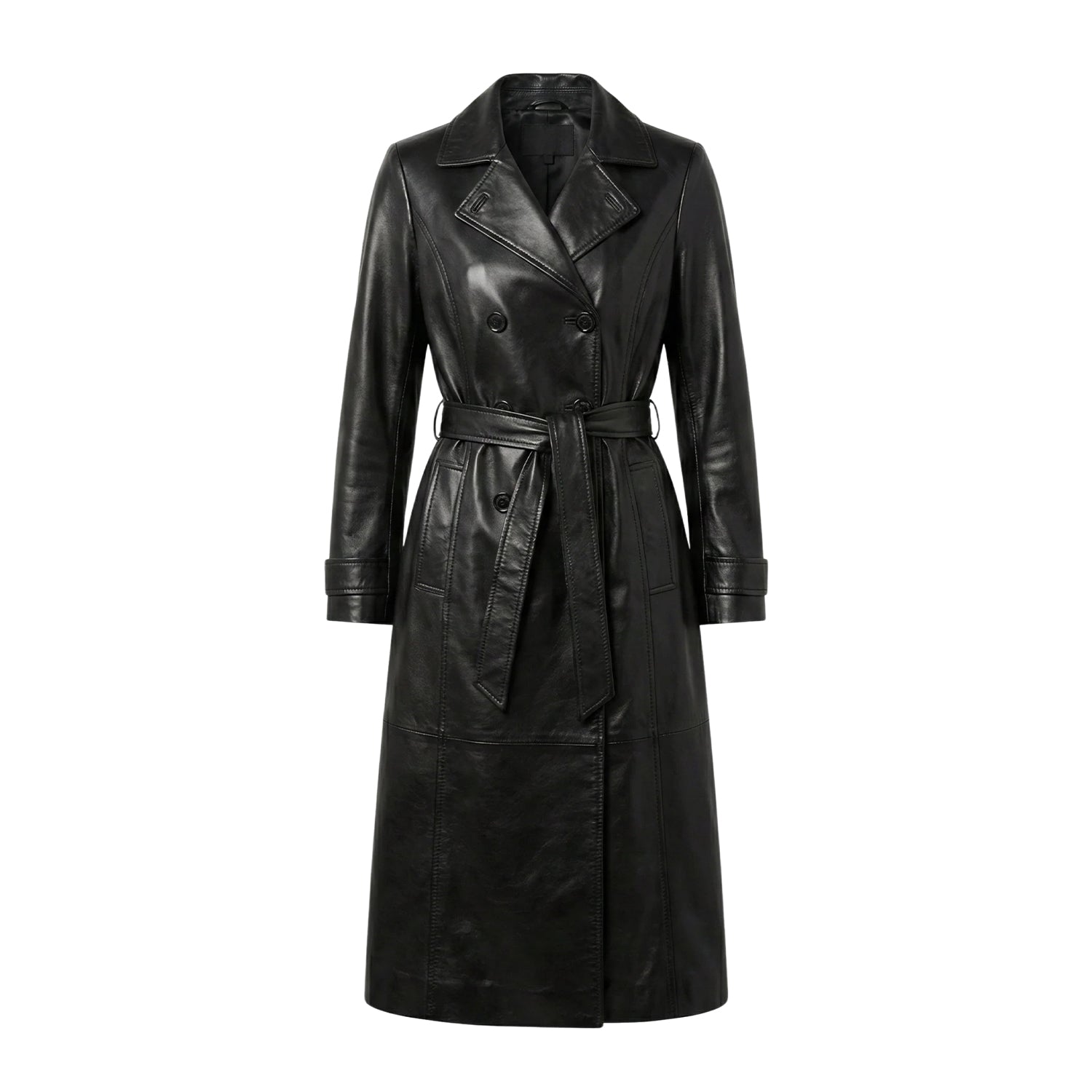
When is a Leather Jacket Better Than a Leather Vest?
A leather vest is useful when you want a lighter layering option and prefer unrestricted arm movement. A full-sleeve jacket becomes the more practical choice when additional coverage matters.

Choose a jacket or other appropriate outerwear instead of relying on a vest alone when:
- You expect to spend a long time outside in cold weather.
- Strong winds make your arms and hands uncomfortable.
- You need substantial insulation for a cold commute or outdoor event.
- Rain or snow calls for a purpose-built weather-resistant outer layer.
- You want consistent upper-body coverage without depending on several separate clothing layers.
A leather jacket is not automatically warm enough for winter either. Its insulation, fit, closures, and weather protection still need to match the conditions.
For style and coverage comparisons, you can explore the men's jacket collection or women's jacket collection. Check the individual product details rather than assuming every full-sleeve jacket is insulated or waterproof.
For motorcycle riding, warmth and crash protection are separate considerations. The Motorcycle Safety Foundation's protective gear guidance emphasizes appropriate protective riding clothing. A casual leather vest should never be assumed to replace a purpose-built protective motorcycle jacket.
What Happens When a Leather Vest Gets Wet in Fall?
Fall weather can be unpredictable, especially in areas with frequent rain. Leather finishes vary, and a vest should not be assumed waterproof just because its exterior feels substantial or smooth.
Some leather finishes are more sensitive to moisture, staining, and changes in appearance than others. Check the garment's care instructions and avoid unnecessary exposure to sustained rain.
If your leather vest becomes wet, allow it to dry naturally away from direct heat. Do not place it on a radiator or use a hair dryer to speed up drying.
Iowa State University Extension's leather-care guidance recommends natural air drying, cool and ventilated storage, and professional assistance for stains.
Do not apply random waterproofing sprays, conditioners, or household cleaners without checking whether they are appropriate for the specific leather finish. Suede, smooth leather, coated leather, and imitation leather can require different care.
For a rainy commute, a suitable rain jacket is generally a more dependable choice than relying on a fashion leather vest.
What Should You Check Before Buying a Fall Leather Vest?
If you are buying a leather vest specifically for fall, look beyond the color, silhouette, and product photographs.
- Material: Confirm whether the garment is leather, suede, or a synthetic alternative. The material name alone does not establish warmth.
- Lining and insulation: Look for an actual description of the inner construction rather than assuming a quilted appearance means substantial insulation.
- Layering space: Compare your measurements and usual sweater or hoodie thickness with the product-specific sizing information.
- Closure and coverage: Consider whether the front closure, neckline, armholes, and hem suit your intended use.
- Care requirements: Read the garment-specific instructions, particularly if you regularly encounter wet fall weather.
- Purchase conditions: Check current size availability, pricing, and return terms before ordering.
If you are considering a vest mainly for style and mild-weather layering, Leather Nativ's men's leather vests and women's leather vests provide different silhouettes to compare.
Review each individual listing before deciding. A collection page alone does not confirm a particular vest's insulation, exact material construction, size availability, or suitability for your local weather.
Final Verdict: Is a Leather Vest Enough for Fall?
A leather vest can be warm enough for mild, dry fall weather when it is paired with suitable clothing underneath. It offers added torso coverage, a structured appearance, and flexibility for days when the temperature changes.
Its biggest limitation is simple: it does not provide the same arm coverage as a full-sleeve jacket. An uninsulated leather vest also cannot be expected to deliver the warmth of dedicated cold-weather outerwear.
If your fall plans involve brief outings and comfortable temperatures, a leather vest can be a practical addition to your wardrobe. If you expect cold wind, rain, long periods outdoors, or near-freezing conditions, prioritize proper insulation and weather-appropriate outerwear instead.
The best choice is the one that matches your actual weather, activity, layering needs, and comfort preferences.