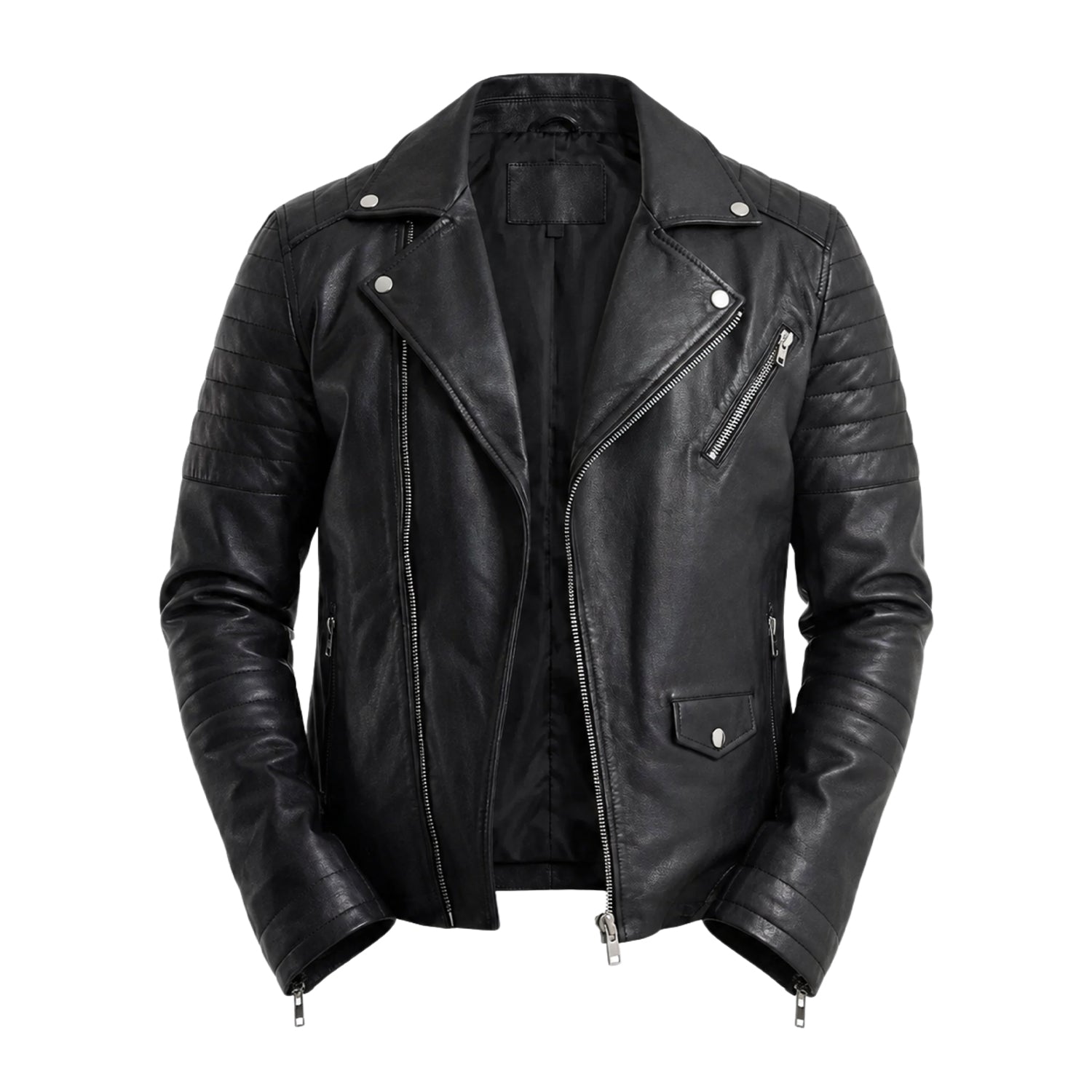
Choosing between NFL satin and wool varsity jackets depends on your preferred style, local weather, and everyday comfort needs. Satin-style jackets are often a good choice for a glossy, sporty look and lightweight layering, while wool or wool-blend varsity jackets typically offer a more traditional, structured appearance. However, warmth, durability, and maintenance depend on the complete jacket, including its outer fabric, lining, insulation, and sleeves. Understanding these differences can help you choose a varsity jacket that suits both game days and regular wear.
Satin and wool are not directly equivalent fabric categories. Satin describes a fabric weave known for its smooth, glossy surface, while wool is a natural fibre used to make different types of fabric. As explained in the Museum of Fine Arts' reference on satin weave, satin can be produced using fibres such as silk, polyester, or nylon. Wool varsity jackets may also contain blended fibres, leather sleeves, and additional lining materials. Before comparing two jackets, check their fabric composition, construction, and intended use rather than relying only on the material name.
Why Material Matters in an NFL Varsity Jacket?

A varsity jacket sits at the intersection of style and function. Its outer fabric and overall construction influence warmth, breathability, drape, weight, and how comfortably it moves with you. Material choices also affect how patches, embroidery, and striped ribbing look against the jacket body.
Material choice also affects maintenance. Satin, wool, leather, and synthetic trims can have different cleaning requirements, so it is important to check the care instructions for the finished garment. The best choice is the one that fits your climate, your tolerance for upkeep, and your everyday outfits.
NFL Satin Varsity Jackets: What You Get?

Satin NFL varsity jackets are known for a smooth shine and a sporty appearance. Many feature team-inspired lettering, patches, or bold colors that stand out in casual outfits. Compared with traditional heavy wool-bodied letterman jackets, lightly lined satin styles often have a more relaxed feel, although the exact fit depends on the cut and construction.
Many lightly lined satin varsity jackets are easier to fold and pack than heavyweight wool-bodied designs. However, padded satin jackets can feel considerably heavier and bulkier, so the lining and insulation should also be considered. If you prefer a glossy, retro-inspired sportswear look, a satin varsity jacket can be a practical option for casual outfits, travel, and mild-weather layering.
Pros of Satin
- Lightweight Wear: Unpadded or lightly lined styles can be comfortable in mild weather and indoor venues.
- High-Impact Color: Team-inspired colors can look vivid against the shiny fabric, especially with contrasting ribbed cuffs and waistbands.
- Comfortable Layering: A smooth outer fabric and suitable lining can make the jacket easy to wear over T-shirts and hoodies, provided the fit allows enough room.
- Drying Depends on Construction: Some lightweight synthetic satin fabrics can dry relatively quickly, but padded linings, embroidered patches, and other jacket components may take longer. Always follow the garment's care instructions before washing or drying.
These qualities make satin worth considering if you want an easygoing layer with a glossy, football-inspired look. Check the product specifications before assuming any particular jacket is lightweight or quick-drying.
Cons of Satin
- Limited Warmth When Unpadded: A thin satin shell without additional insulation may feel insufficient for cold outdoor games.
- Snag Risk: Satin surfaces can catch on rough edges, seat hardware, or hook-and-loop fasteners and develop visible pulls.
- Wrinkle and Crease Marks: Folding and sitting may leave creases that show more clearly on glossy fabrics.
- Static and Cling: Some synthetic satin fabrics can develop static in dry conditions and cling to inner layers.
If you prioritize rugged daily wear or cold-weather protection, look closely at the satin jacket's shell, lining, and insulation rather than judging it by appearance alone.
NFL Wool Varsity Jackets: What You Get?

Wool NFL varsity jackets deliver the classic letterman look with a substantial feel. The wool or wool-blend body often has a matte, textured finish, while the sleeves may be genuine leather, synthetic leather, or another material depending on the design. This combination can create a traditional and structured appearance that works with both casual and smart-casual outfits.
Wool fibres naturally help trap insulating air, making wool-bodied varsity jackets a useful option for cooler weather. The Woolmark Company explains how wool fibres help provide insulation. However, the actual warmth of a varsity jacket also depends on its wool content, fabric thickness, lining, wind resistance, and insulation. A heavily padded satin jacket may provide more warmth than a thin, unlined wool-blend jacket. Buyers should compare the complete construction instead of assuming that wool is always the warmer choice.
Pros of Wool
- Natural Insulating Properties: Wool fibres help retain warmth, although the finished jacket's performance varies with thickness, lining, and construction.
- Classic Texture: Wool and wool-blend bodies offer a traditional letterman appearance, especially with chenille patches.
- Structured Look: Dense wool fabrics can help a jacket hold a clean silhouette over simple outfits.
- Surface Appearance: Matte wool bodies may show some folds and creases less noticeably than shiny satin, depending on the fabric.
Wool is a strong option when you want a substantial jacket with a classic finish. Its long-term appearance will still depend on fabric quality, wear, and appropriate care.
Cons of Wool
- Heavier Feel: Thick wool-bodied jackets can feel bulky during travel, indoor wear, or mild weather.
- Care Requirements: Cleaning methods vary by wool blend, lining, and sleeve materials; some jackets require professional care.
- Pilling Potential: Friction from bags or repeated rubbing can lead to small pills on some wool surfaces.
- Drying Time: Thick wool fabric and multi-material construction may take time to dry if the jacket becomes wet.
If low-maintenance care is a priority, examine the manufacturer's instructions and consider how often and where you plan to wear the jacket.
Satin vs Wool: Differences That Matter Most
It helps to compare both jacket types across the factors you will notice in daily use. Warmth and weight are important, but appearance, comfort, and care also matter. Satin generally offers a glossy, sporty finish, while wool-bodied designs tend to emphasize classic letterman styling.
The table below summarizes common differences. Individual jackets may perform differently depending on fabric composition, insulation, lining, and construction.
| Factor | NFL Satin Varsity Jacket | NFL Wool Varsity Jacket |
|---|---|---|
| Warmth | Often lighter when unpadded; insulated versions can offer additional warmth | Often suitable for cooler weather, depending on wool content, fabric thickness, and lining |
| Look and Finish | Glossy, sporty, and often brightly colored | Matte, textured, and traditionally styled |
| Weight and Packability | Lightly lined styles may be easier to fold and pack | Thick wool-bodied versions are often heavier and take more space |
| Care and Maintenance | Care depends on fibre composition, lining, patches, and trim; follow the garment label | Care depends on the wool blend, sleeves, and other components; follow the garment label |
| Best Style Match | Glossy, retro-inspired sportswear and casual streetwear | Traditional letterman styling, textured outfits, and classic casual wear |
Once you identify which qualities matter most to you, compare the specifications of the actual jackets you are considering rather than relying only on their material names.
Comfort and Fit: How Each Material Feels on the Body?
Satin varsity jackets often feel smooth over T-shirts, sweatshirts, and hoodies, but comfort depends on the jacket's cut, fabric thickness, and lining. Lightly lined satin styles may feel less bulky than heavyweight wool-bodied jackets, although padded satin versions can be equally substantial. When comparing sizes, check shoulder width, chest measurements, sleeve length, and room for layering. A jacket should allow comfortable arm movement without pulling across the shoulders or restricting the front closure.
Wool feels thicker and more protective, and it tends to sit away from the body with a structured drape. That structure can look sharp, but it may feel less flexible if you prefer relaxed streetwear fits. Wool also performs well when temperatures drop because it holds warmth without needing extreme bulk.
Material is only one part of choosing a comfortable varsity jacket. Shoulder placement, chest room, sleeve length, and available layering space can make a bigger difference to everyday fit. For more detailed measurements and sizing advice, read our varsity jacket fit guide, which explains how snug, relaxed, and oversized styles should sit on the body.
Style and Outfit Pairing
Satin is easiest to style with athletic and casual staples like sneakers, joggers, and hoodies. The shine makes the jacket feel like a statement piece, so you can keep the rest of the outfit simple. Satin also works well when you want a retro sideline look with a cap and clean jeans.
Wool varsity jackets look great with denim, boots, and heavier knits. The matte texture blends smoothly with fall and winter outfits, and it pairs well with structured pants and minimal sneakers. If you want your NFL jacket to feel closer to a coat, wool fits that role better.
Both satin and wool varsity jackets can work with everyday streetwear when the colours, layers, and proportions are balanced. Satin styles often pair naturally with sporty basics, while wool-bodied designs can complement textured knitwear and more structured trousers. For additional inspiration, explore our varsity jacket streetwear outfit ideas featuring practical combinations with jeans, hoodies, sneakers, and other casual wardrobe pieces.
Care Tips So Your Jacket Lasts Longer
Proper varsity jacket care depends on the complete garment rather than its outer fabric alone. Satin and wool jackets may include leather sleeves, synthetic trims, embroidered patches, rib-knit cuffs, and different lining materials. These components can require different cleaning methods, so always begin with the manufacturer's care label. The U.S. Federal Trade Commission's guidance on garment care labels explains the importance of appropriate cleaning instructions for clothing. If the label is unclear or missing, contact the manufacturer or a qualified garment-care professional before attempting to wash the jacket.
Satin Care Basics
- Respond to Spills Quickly: Blot gently with a clean cloth without harsh rubbing, then follow the specific garment's stain-care guidance.
- Avoid High Heat Unless Permitted: Do not use hot dryers or direct heat unless the care label explicitly allows that treatment.
- Air Out After Wear: Let the jacket air out in a suitable location before storing it to help prevent lingering odors.
These habits can help maintain the finish of satin-style jackets, but the correct cleaning method still depends on their fibre content and other components.
Wool Care Basics
- Use a Suitable Garment Brush: Gently remove surface dust from appropriate woven wool sections.
- Treat Stains Carefully: Follow the care label and avoid aggressive scrubbing or unapproved cleaning products.
- Store Properly: Keep the garment clean and allow enough room to protect its shape; consider suitable long-term storage precautions for wool.
Gentle, regular maintenance can help preserve the appearance of a wool varsity jacket. For suitable woven wool sections, a soft garment brush can remove surface dust and dirt between cleanings. Woolmark's wool care guidance provides additional information about brushing, garment storage, and care-label instructions. Because varsity jackets often combine wool with leather, synthetic sleeves, patches, and decorative trims, always follow the finished garment's care label before washing or arranging professional cleaning.
Which One Makes More Sense for You?
If you attend early-season games or spend a lot of time indoors, a lightly lined satin varsity jacket may make more sense. It offers a glossy, sporty appearance without necessarily adding the bulk of heavy outerwear. It can also work well over a hoodie if the sizing leaves enough room.
If your season runs deep into cold weather or you want a jacket that feels like real outerwear, a thick wool-bodied design may be more suitable. The texture and structure also complement a classic wardrobe with denim, knitwear, and boots. Compare linings, insulation, and wind protection before deciding which specific jacket will keep you most comfortable.
What to Check Before Buying an NFL Varsity Jacket Online?
Before choosing a satin or wool varsity jacket, review the product information to make sure the jacket matches your expectations. Photographs and material names alone may not reveal the exact weight, warmth, or construction.
- Fabric Composition: Check whether the satin shell is polyester, nylon, silk, or another blend, and confirm the stated wool percentage in wool-bodied designs.
- Lining and Insulation: Identify whether the jacket has a lightweight lining, quilted padding, or additional insulation.
- Sleeve Material: Check whether the sleeves are wool, genuine leather, synthetic leather, or another fabric.
- Fit and Measurements: Compare chest width, shoulder width, sleeve length, and body length with a jacket you already own.
- Care Requirements: Review the manufacturer's cleaning instructions, especially for jackets containing different materials.
- Product Photography: Examine the ribbing, patches, seams, closures, and interior finishing in close-up photographs.
- Ordering Terms: Check the available sizes, shipping information, and applicable return or exchange conditions before ordering.
A jacket that matches your climate, preferred fit, and maintenance expectations is more likely to become a dependable wardrobe choice than one selected only for its colour or appearance.
Choosing Quality Details That Matter
A varsity jacket's overall quality depends on more than its outer material. Before purchasing, inspect the stitching around embroidered or chenille patches, the attachment of sleeves, the condition of rib-knit cuffs, and the finishing of the inner lining. Check whether the product description clearly identifies the fabric composition, sleeve materials, lining type, and available garment measurements. Secure snap buttons, neatly finished seams, and consistent stitching are useful quality indicators. For a more detailed purchasing checklist, explore our varsity jacket buying guide, which covers sizing, construction, materials, and buying considerations.
If you are looking for football-inspired outerwear, explore Leather Nativ's NFL varsity jackets collection to compare available designs, colours, materials, and sizing options. Focus on the individual product's fabric composition, sleeve construction, lining details, and care instructions before making a decision. Choosing a jacket with clear specifications and a comfortable fit is more useful than relying only on broad descriptions such as "premium" or "durable."
Conclusion
Satin NFL varsity jackets often make sense when you want a glossy, sporty look and a comfortable layer for mild weather. Wool-bodied NFL varsity jackets are worth considering when you prefer classic letterman styling, a structured silhouette, and fabric that can contribute to warmth. However, insulation, lining, and overall construction determine how a particular jacket performs.
Choose the jacket that matches your routine, climate, preferred outfits, and willingness to follow its care instructions. Comparing actual specifications and measurements will help you find a style that looks good and feels comfortable beyond game day.
Frequently Asked Questions
Are NFL Satin Varsity Jackets Warm Enough for Cold Games?
An unpadded satin varsity jacket is generally better suited to mild weather than very cold outdoor conditions. However, some satin jackets include quilted linings or insulation that can provide additional warmth. Wool-bodied jackets may be suitable for cooler conditions, but their performance also depends on fabric thickness, lining, and wind exposure. For cold or windy outdoor games, consider suitable thermal layers and weather protection rather than relying on the jacket's outer material alone.
Do Wool Varsity Jackets Feel Itchy?
Many wool and wool-blend jackets feel comfortable when they have a full lining that separates the wool body from the skin. Sensitivity varies by person, the wool's fineness, and the blend used. Wearing a long-sleeved layer underneath can also help reduce irritation, but check the lining and fit of the particular jacket before buying.
Which Material Looks More Premium Between Satin and Wool?
Wool often creates a traditional, textured appearance, while satin offers a smooth, glossy finish. Either can look well made when the stitching, patches, ribbing, and lining are carefully finished. The best indicators of quality are the fabric specifications and overall construction, not shine or texture alone.