A leather blazer is usually the more versatile choice for smart-casual everyday outfits, while a suit jacket is better suited to traditional businesswear and occasions that require formal tailoring. However, the right option depends on your routine, personal style, comfort preferences, and the clothes you already own. This comparison breaks down how leather blazers and suit jackets differ in fit, mobility, warmth, styling, durability, and maintenance so you can decide which one deserves a place in your wardrobe.
A suit jacket and a standalone blazer are not exactly the same garment. A suit jacket is traditionally designed to be worn with matching trousers, while a blazer or sport coat is intended to pair with different bottoms.
What A Leather Blazer Feels Like

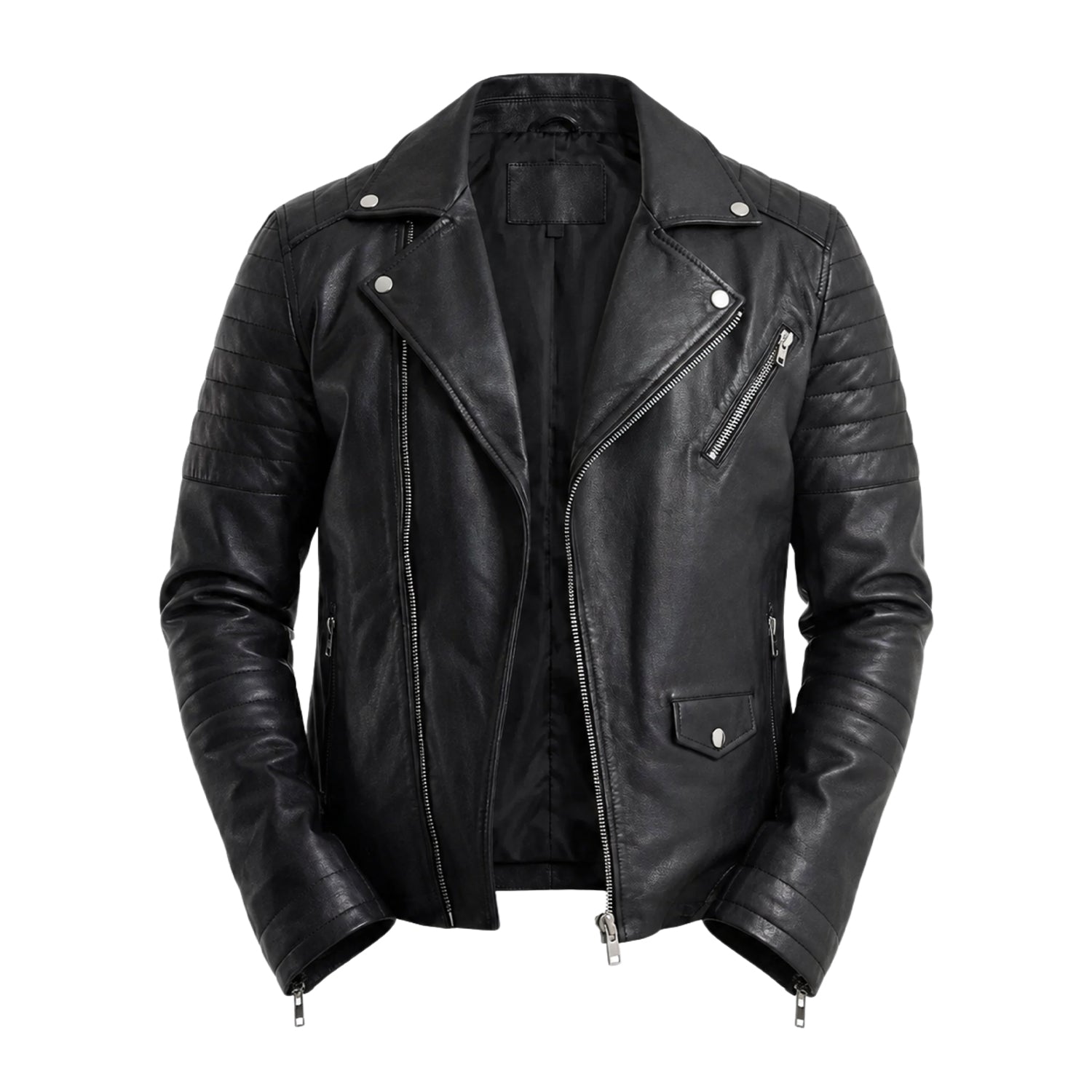
A leather blazer combines the familiar shape of a tailored blazer with the distinctive texture and appearance of leather. Depending on its thickness, finish, and lining, it may feel more substantial and offer greater wind protection than a lightweight tailored jacket. Its polished silhouette and distinctive material make it a practical option for smart-casual outfits.
Genuine leather can gradually soften with regular wear, especially around natural bending points such as the elbows. However, the amount of flexibility depends on the leather type, thickness, finish, and construction. A leather blazer should feel comfortable across your shoulders, chest, and arms from the beginning because breaking in the material will not correct an incorrect size or poorly positioned seams.
What A Suit Jacket Feels Like
A suit jacket is designed to create a polished silhouette through precise tailoring, shaped seams, and carefully constructed shoulders. Depending on the design, it may feature shoulder padding, internal canvas, or a lighter, less structured construction. These details influence how the jacket sits on your body and how easily you can move. When worn with matching trousers, a well-fitted suit jacket creates a coordinated appearance suitable for professional meetings, formal occasions, and traditional business settings.
Comfort depends heavily on tailoring and fabric. A good wool blend can breathe well and feel light, while a stiff or tight jacket can feel restrictive through the chest and upper back. If you plan to wear it casually, fit matters even more than the label.
Everyday Comfort and Mobility
For everyday wear, comfort is usually about movement. The question is how easily you can commute, drive, work at a desk, and walk for long stretches without constantly adjusting your jacket. Leather and suiting behave differently in those moments.
- Shoulder Fit: Both jackets should allow comfortable movement from the beginning. Leather may become softer with wear, but it should not pull tightly across the shoulders or chest. A suit jacket should also provide enough room to move without distorting its tailored shape.
- Breathability and Temperature: Lightweight wool and breathable suit fabrics may feel more comfortable in warm indoor environments. Leather blazers can offer useful wind protection during cooler weather, although the lining, thickness, and construction affect overall warmth.
- Weight And Comfort: Leather blazers often feel heavier than lightweight suit jackets, particularly when made from thicker hides. A lighter leather blazer may be more comfortable for extended wear, while a heavily structured suit jacket can also feel substantial.
- Arm Mobility: Try reaching forward, sitting down, and raising your arms while wearing either jacket. Shoulder construction, sleeve positioning, and armhole shape often influence movement as much as the material itself.
Once you notice these details, it gets easier to match the jacket to your daily rhythm.
Styling Range for Daily Outfits
A leather blazer gives casual outfits a sharper edge without making them overly formal. For a simple daytime look, try a black leather blazer with dark jeans and a fine-gauge knit. For a warmer color combination, pair brown leather with chinos and a plain shirt. The leather finish also influences the outfit, as smooth leather usually creates a cleaner appearance while distressed leather feels more relaxed. For more styling inspiration, explore our men's leather blazer outfit guide for work and dinner looks or our women's leather blazer outfit ideas for denim, dresses, and day-to-night outfits.
A suit jacket is the stronger option when your outfit requires a coordinated, formal appearance. It looks most natural with its matching trousers, a crisp shirt, and dress shoes, making it suitable for professional meetings, presentations, and formal dinners. Some matte, softly structured suit jackets can also work with dark jeans or chinos, but very smooth or shiny suit fabrics may look mismatched when worn separately. If you regularly want a tailored jacket to wear with different trousers, a standalone wool blazer or sport coat may be a more flexible alternative.
How to Choose Based on Where You Go?

Think about the rooms you walk into. A suit jacket communicates formality faster, even when styled casually. A leather blazer communicates personality first, which can be perfect or distracting depending on expectations.
- Office With Traditional Dress Codes: A suit jacket tends to feel safer and more aligned with policy and culture.
- Creative Workplaces And Casual Meetings: A leather blazer can feel natural while still looking put together.
- Travel And Commuting: A leather blazer can provide useful protection against wind, but it is not automatically resistant to rain. Some leather finishes are vulnerable to water marks and moisture damage. A lightweight wool-blend suit jacket may feel more comfortable during long indoor journeys, while either option should be packed and stored carefully to prevent creasing or distortion.
- Events With Dress Expectations: A suit jacket is easier to read as formal, especially in darker colors and smoother fabrics.
Matching the jacket to the setting reduces the feeling that you are overdressed or underdressed.
Fit Details That Decide Everything
Fit is one of the most important factors when choosing a leather blazer for regular wear. The shoulder seams should sit close to your natural shoulder line, the front should button without excessive pulling, and the sleeves should allow comfortable movement when reaching or sitting. Since leather alterations often require specialized tailoring, choosing the correct size and silhouette from the beginning is particularly important. Our men's leather blazer buying guide explains how shoulder construction, leather flexibility, lining, and overall proportions affect the final fit.
Suit jackets should allow easy reach and comfortable breathing. The collar should lie flat, sleeves should not twist, and the jacket should not flare open at the button. A small adjustment at the waist or sleeves can make a suit jacket feel like it was made for daily wear.
A Simple Fit Test Before Choosing Your Jacket
Before choosing a leather blazer or suit jacket, try these practical checks to determine whether it will remain comfortable throughout your day:
- Button The Jacket: Close the front while standing naturally. The fabric or leather should not pull tightly across your chest, and you should be able to breathe comfortably.
- Reach Forward: Extend your arms as though you are driving or working at a desk. Check whether the jacket restricts your shoulders or pulls excessively across your upper back.
- Sit Down: Sit in a chair while wearing the jacket to check for uncomfortable pressure around your chest, waist, or arms.
- Test Your Usual Layers: Wear the type of shirt or sweater you would normally pair with the jacket. Make sure the additional layer does not create excessive tightness.
- Check The Measurements: If shopping online, compare the jacket's chest, shoulder, sleeve, and body-length measurements with those of a jacket you already own.
A jacket that passes these checks is more likely to feel comfortable during everyday activities, regardless of whether you choose leather or traditional suiting fabric.
Durability and Care in Real Life
Leather blazers can remain wearable for years when properly maintained, but the correct care routine depends on the leather type and finish. Store your blazer on a broad, supportive hanger, keep it away from direct heat, and allow damp leather to dry naturally. Before applying any cleaner or conditioner, check the garment's care instructions and test a suitable product on a hidden area. Leather Naturally's guide to caring for different types of leather explains why smooth finished leather, suede, and nubuck require different cleaning and protection methods.
For a more detailed maintenance routine, read our step-by-step leather blazer care guide. It covers everyday handling, appropriate storage, cleaning precautions, and ways to maintain the jacket's original shape. These tips are particularly useful if you plan to wear the same leather blazer several times a week.
Suit jackets also benefit from a regular maintenance routine, particularly when made from wool or wool-blend fabrics. Gently brush away surface dust, allow the jacket to air between wears, and hang it on a shaped hanger to preserve the shoulders. Always follow the garment's care label and arrange professional cleaning when necessary instead of automatically dry-cleaning the jacket after every wear.
Leather Blazer vs Suit Jacket: Quick Comparison
| Comparison Factor | Leather Blazer | Suit Jacket |
|---|---|---|
| Overall Appearance | Tailored with a distinctive leather finish | Classic, polished, and traditionally formal |
| Everyday Comfort | May soften with wear; weight varies by leather type | Depends on fabric, lining, and tailoring |
| Best Occasions | Smart-casual offices, dinners, and relaxed outings | Traditional offices, formal meetings, and dress events |
| Styling With Jeans | Usually works well with clean, casual outfits | Possible with certain designs, but less versatile |
| Breathability | Depends on leather type, finish, and lining | Lightweight wool blends may feel cooler indoors |
| Weather Suitability | Can block wind; not automatically rain-resistant | Best protected from prolonged moisture |
| Fit Adjustments | Leather alterations often require a specialist | Many conventional tailoring adjustments are possible |
| Maintenance | Material-specific cleaning and careful storage | Brushing, airing, and professional cleaning when needed |
| Long-Term Appearance | May develop patina or visible finish wear | May develop creases, shine, or abrasion in high-wear areas |
What to Buy If You Want One Jacket for Most Days?

If you want one jacket for everyday wear, start by considering how you dress during a typical week. Choose a suit jacket with matching trousers if your routine includes formal meetings, corporate dress codes, or professional events that require traditional tailoring. If you spend most days wearing jeans, chinos, casual shirts, or knitwear, a leather blazer may offer more styling flexibility while still looking polished. For someone who prefers classic smart-casual clothing without the weight of leather, a standalone wool blazer or sport coat is another practical option.
Fabric and finish help you balance the choice. A softer leather and minimal hardware keep a leather blazer easy to dress up. A suit jacket in a textured weave can look less formal than one made from smooth, shiny fabric, although a standalone blazer or sport coat is generally more suitable for frequent mixing and matching.
If you are also considering a more casual outerwear option, explore our leather blazer vs leather jacket comparison. This guide explains how the two leather styles differ in structure, warmth, fit, and everyday styling, helping you decide whether a tailored blazer or a traditional leather jacket better matches your wardrobe.
How Leather Nativ Can Help You Get the Fit Right
If a leather blazer matches your everyday style, choosing the right silhouette, material, and fit should be your next priority. Leather Nativ offers a selection of men's leather blazers and women's leather blazers in different colors, cuts, and designs. Compare the available styles based on shoulder fit, jacket length, lining, and the clothes you usually wear underneath. A well-chosen leather blazer should complement your existing wardrobe while providing the comfort and polished appearance you need for regular use.
Before ordering, compare the chest, shoulder, sleeve, and jacket-length measurements shown on the product page with a blazer you already own. Consider the thickness of the shirts or sweaters you usually wear underneath, and make sure the shoulder area allows comfortable movement. You should also review Leather Nativ's return and exchange policy before purchasing, especially if you are considering custom sizing. Taking these steps can help you choose a leather blazer that feels comfortable and works with your everyday wardrobe.
Conclusion
A leather blazer feels right for everyday wear when you want a distinctive, smart-casual layer that adds character to your outfits and may offer useful wind protection in cooler conditions. A suit jacket feels right when you prefer traditional tailoring, a polished silhouette, and clothing that suits professional or formal settings, particularly when worn with matching trousers. Neither option is automatically more comfortable or versatile in every situation. Choose the jacket that matches your typical activities, then prioritize fit, material quality, and proper care so it remains a dependable part of your wardrobe.
Frequently Asked Questions
Can A Leather Blazer Be Worn Like A Regular Blazer?
Yes, if the cut is clean and the leather finish is not overly glossy. Keep the rest of the outfit simple with solid knits, neat denim, or tailored trousers. A good fit at the shoulders makes it look intentional rather than bulky.
Can a Leather Blazer Replace a Suit Jacket for Formal Occasions?
A leather blazer can work for smart-casual dinners, creative business environments, and certain social events where traditional formalwear is not required. However, it is generally not a direct replacement for a suit jacket at events that specify business-formal attire, matching suits, or black-tie clothing. Always consider the dress code before choosing leather as an alternative to traditional tailoring.
Is It Okay to Wear A Suit Jacket With Jeans Every Day?
Yes, but it depends on the jacket's construction and fabric. A softly structured suit jacket with a matte finish can sometimes look appropriate with dark jeans, a plain shirt, and refined shoes. However, a formal suit jacket designed for matching trousers may look out of place with denim. If wearing jeans is part of your everyday routine, consider a standalone blazer or sport coat, which is specifically designed for mixing with different trousers.
Which is Better for Year-Round Wear: A Leather Blazer or a Suit Jacket?
Neither jacket is automatically suitable for every season. A lightweight wool or wool-blend suit jacket may be more comfortable during warm weather or in heated indoor spaces, while a leather blazer can offer additional wind protection during cooler months. However, warmth and breathability depend on the material's thickness, the jacket's lining, and its overall construction. For year-round use, prioritize a comfortable fit and a weight that suits your local climate.