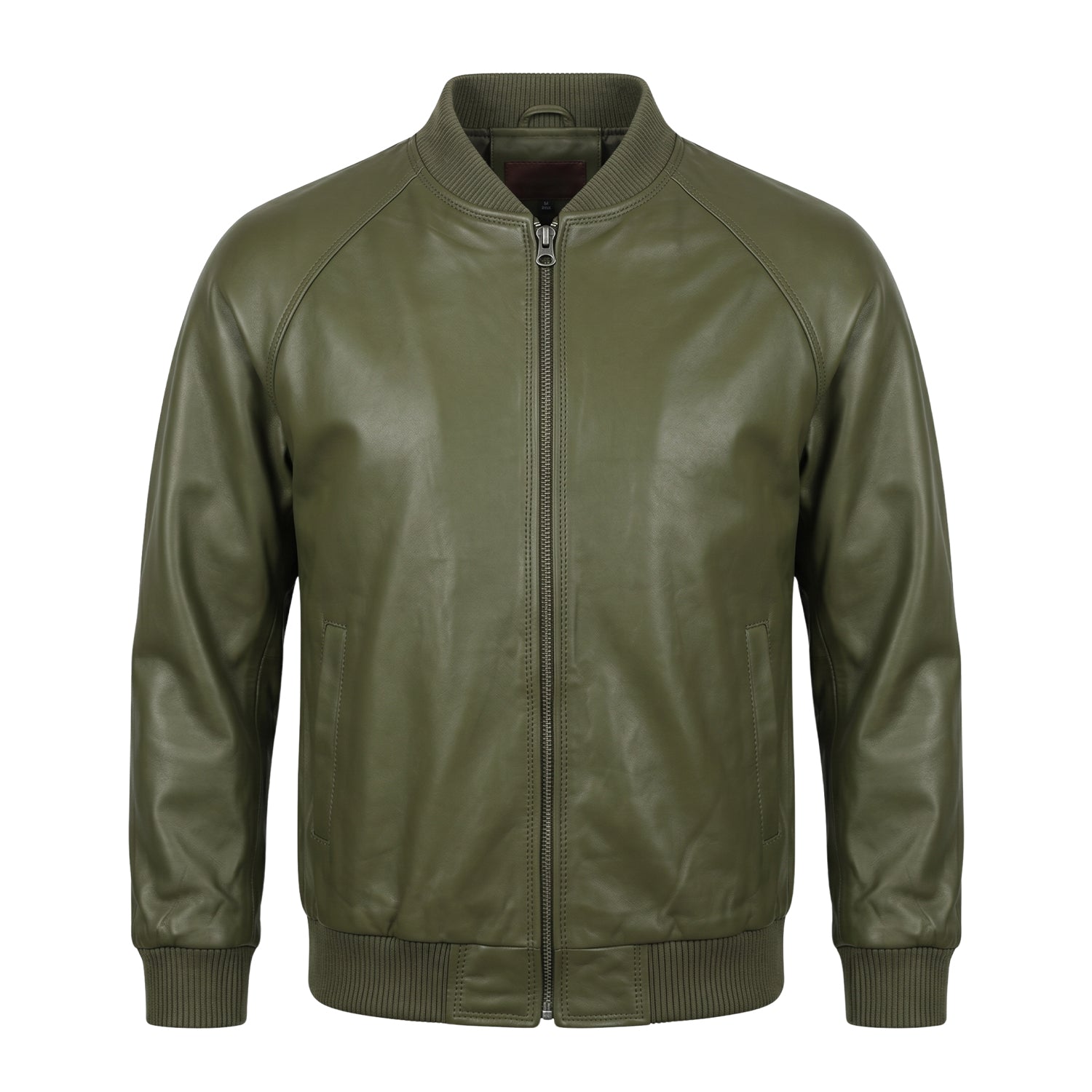
A women’s leather motorcycle vest can sharpen an everyday outfit, add accessible pockets, and complement a biker-inspired look. However, choosing the right fit depends on how and where you plan to wear it. A vest that feels comfortable over a T-shirt may pull across the chest over a hoodie or ride up when you lean toward handlebars.
This guide explains how to measure for a leather vest, choose a suitable cut and material, and check comfort while standing, sitting, and moving. It also explains the difference between a fashion-oriented motorcycle vest and protective motorcycle riding gear, so you can make a more informed choice.
Why Fit Matters on and Off the Bike?

A motorcycle vest sits closer to the body than most outerwear, so small fit issues show up fast. Too tight and the armholes rub, the zipper waves, and the chest pulls. Too loose and the shoulders collapse, the hem flares, and the vest twists when you move.
Off the bike, good fit keeps the vest from looking boxy or costume-like. On the bike, it supports comfort and range of motion, especially through the shoulders and upper back. A proper fit also keeps pockets accessible without shifting around.
Motorcycle Style Vests vs Protective Riding Gear
Not every leather vest described as a motorcycle vest is certified protective equipment. Fashion-oriented and club-style leather vests can provide a distinctive appearance, convenient pockets, and an extra clothing layer, but their sleeveless design leaves the arms uncovered. For road riding, a vest should not replace an appropriate protective motorcycle jacket. The Motorcycle Safety Foundation's personal protective gear guidance explains the importance of suitable jackets, pants, gloves, boots, and helmets.
If a garment is specifically marketed as protective motorcycle clothing, examine its product documentation and any stated certification. Testing organizations such as TÜV Rheinland explain the EN 17092 motorcycle clothing classifications, which assess protective garments against relevant performance requirements. Do not assume that a vest is certified simply because it is genuine leather or has a biker-inspired design. If you wear a fashion vest over a protective motorcycle jacket, confirm that it does not interfere with the jacket's closures, protective components, or comfortable movement.
Measuring and Sizing Without Guesswork
Women's leather vest sizing can vary between brands and garment designs, so the size label alone is not a reliable guide. Start by measuring your bust, waist, and hips over close-fitting clothing, keeping the measuring tape level without pulling it too tightly. Then compare those numbers with the product's size chart and check whether the chart lists body measurements or finished-garment measurements. Allow enough room for the clothing you intend to wear underneath. For additional help identifying the correct measurement points, New Mexico State University's guide to selecting clothing sizes using body measurements provides a useful reference, although its guidance is primarily intended for sewing patterns.
- Bust Measurement: Measure around the fullest part of the chest with the tape level. Keep the tape snug but not tight so you do not undersize.
- Waist Measurement: Measure at your natural waist where you bend. This helps prevent a vest that fits the bust but strains at the midsection.
- Hip Measurement: If the vest is longer, measure the fullest part of the hips. This matters for longer cuts that sit near the top of the hip.
- Shoulder Width: Measure from shoulder point to shoulder point across the back. This helps avoid a vest that pulls when you reach forward.
- Torso Length: Measure from the base of the neck to where you want the hem to land. This keeps the vest from sitting too high or too long for your proportions.
Once you have measurements, prioritize bust and shoulder fit first, then adjust with side laces or back belts if the design includes them. That approach usually delivers the best comfort and cleanest lines.
Choosing the Right Cut for Your Body Shape
Cut matters as much as size because it decides where the vest hugs or releases. A women’s cut typically includes a shaped waist and a slightly narrower shoulder line. Unisex cuts can work, but they often feel wide at the shoulders and straight through the torso.
Look closely at the armhole shape and the front opening. Higher armholes can reduce gaping but may rub if the vest is too small. A slightly longer front can smooth the midsection, while a shorter cut can highlight the waist and avoid bunching when seated.
- Contoured Side Panels: Helps reduce boxiness and supports a closer fit without tightness.
- Side Laces or Adjusters: Useful when you want room for layering but still want shape.
- Back Belt Detail: Adds waist control and helps prevent a loose back panel from ballooning.
- Princess Seams: Improves shaping through bust and waist for a smoother drape.
If you are shopping for a women's leather vest, compare the cut, front closure, waist shaping, and adjustment features before choosing a size. Explore Leather Nativ's women's leather vests to compare biker-inspired, tailored, and other available designs. Review the measurements and construction details of each product, and ask for clarification if the size chart does not explain how the garment should fit.
Leather Types and How They Affect Fit?

How a leather vest feels depends on more than the type of animal hide. Leather thickness, tanning, surface finish, lining, seam placement, and garment construction all influence its weight, flexibility, and drape. A lightweight cowhide vest, for example, may feel more flexible than a heavily finished or reinforced vest made from a naturally softer hide.
Leather can soften and gradually conform to the wearer through normal use, but the amount of stretching varies by material and construction. Do not rely on break-in to correct a vest that pinches the underarms, strains at the front closure, or restricts movement. Choose a comfortable starting fit and check the actual material specifications of the vest before purchasing.
| Leather Type | Typical Feel And Structure | What To Check For Layering |
|---|---|---|
| Lambskin | Often soft and flexible, particularly in lighter-weight garments | Check that the closure stays flat over your intended base layer |
| Goatskin | Can be supple with a noticeable natural grain | Test upper-back movement and armhole comfort over light layers |
| Cowhide | Available in different thicknesses, from flexible to relatively firm | Check seated comfort, shoulder movement, and clearance around the armholes |
| Buffalo Leather | Often has a pronounced grain, while weight and softness vary by finish | Check seam bulk, garment weight, and mobility with your chosen layers |
Use the table as a starting point, then match it to your climate and typical outfits. If you like frequent layering, prioritize a leather that moves easily at the shoulder and does not feel stiff across the upper back.
If you want to understand material differences before choosing a vest, our guide to the types of leather used in jackets explains common hides, leather grades, textures, and quality considerations. The same material principles can help you compare leather vests, although the finished garment's thickness, lining, and construction still determine how it feels and fits.
Layering Right Without Adding Bulk?
For everyday styling, start with the thickest shirt, knit, or hoodie you realistically expect to wear beneath your leather vest. Check that the front closure stays flat and the armholes remain comfortable without excessive fabric bunching. A vest that fits perfectly over a T-shirt may not provide enough room for a hoodie. For motorcycle riding, choose suitable protective riding clothing first, then ensure any additional leather vest does not restrict movement or interfere with that gear.
Start with thin, smooth base layers that reduce friction. Merino, performance cotton blends, and lightweight flannel can layer without grabbing. Avoid thick seams at the shoulders because they create pressure points under leather.
- Warm Weather Layering: Choose a breathable tee and a vest with a comfortable armhole and lining that does not cling.
- Mild Weather Layering: Add a thin hoodie or cardigan and use side adjusters to prevent a loose waist.
- Cold Weather Layering: Use a slim insulated mid layer instead of a bulky fleece, then size the vest to allow full arm movement.
When you try the vest on, raise your arms, reach forward, and twist. You should be able to move without the hem riding up sharply or the armholes digging in.
For more outfit-specific guidance, read our detailed guide to layering a leather vest over hoodies, knits, and shirts. It covers fabric thickness, neckline combinations, armhole clearance, and ways to reduce bunching while keeping a balanced silhouette.
Fit Checks You Can Do in Minutes
Quick fit checks prevent common regrets like shoulder strain or gaping. Do them in front of a mirror with the layers you plan to wear most. Keep your posture natural rather than standing rigid.
- Zip or Button Test: Close the front fully and breathe normally. The front should lie flat without pulling lines across the bust.
- Reach Test: Reach forward as if holding handlebars. You should not feel sharp tightness between the shoulder blades.
- Armhole Comfort: Swing your arms and check for rubbing at the underarm. The armhole should not cut in when you move.
- Hem Stability: Sit down and lean slightly forward. The vest should not bunch heavily at the waist or ride up to the ribs.
- Pocket Access: Put your hands in the pockets and simulate grabbing keys. The vest should not rotate or shift off center.
If one area fails, focus on pattern issues rather than sizing up blindly. A larger size can fix tightness but also create droopy shoulders and a sloppy neckline.
Details That Change Comfort and Style?

Small construction choices make a big difference in daily wear. Lining, seam placement, and hardware all affect comfort. They also decide whether the vest reads as polished, rugged, or street styled.
- Lining Material: Smooth linings slide over layers and reduce sticking, especially over knits.
- Collar Height: A lower collar layers better under jackets and avoids neck rub.
- Zipper And Snaps: Quality hardware keeps the front flat and reduces warping at the placket.
- Panel Construction: More panels can mean better shaping, but it should not create bulky seam ridges.
Before choosing a vest for storage, check whether its pockets remain accessible while you are seated and whether bulky objects distort the front panels. Inspect the stitching around each pocket, test the zippers and snaps, and examine the lining and seams for secure construction. These practical checks help you judge a vest's quality and usability rather than relying on broad claims about craftsmanship.
Care and Break in Without Ruining the Shape?
A leather vest breaks in through wear, not through force. Avoid soaking, over-conditioning, or trying to stretch it aggressively, since that can distort panels and armholes. A gentle break-in keeps the vest looking tailored instead of misshapen.
Start by wearing your leather vest indoors for short periods over your usual clothing layers. Allow the material to soften naturally without forcing the seams or stretching the armholes. Store the vest on a supportive hanger, away from direct heat and prolonged sunlight. Follow the manufacturer's care instructions and use only products suitable for the specific leather finish, testing them on an inconspicuous area first. For more detailed care techniques, read our guide on how to break in a leather jacket without damaging it. Many of the same gentle break-in principles also apply to leather vests.
Frequently Asked Questions
Should A Women’s Leather Motorcycle Vest Fit Tight or Loose?
It should fit close without strain, especially across the bust and shoulders. You want enough room to breathe and move your arms freely while keeping the front flat. If you plan to layer, ensure the vest still closes comfortably over your most common mid layer.
How Do I Prevent Gapping At the Armholes?
Gapping often comes from shoulders that are too wide or armholes cut too low. Choose a women’s cut with better shaping and test movement with your arms forward. Side adjusters can refine the waist, but they cannot fully fix an armhole pattern that is wrong for your frame.
Can I Wear A Leather Motorcycle Vest Over A Hoodie?
Yes, but the vest needs room in the chest and upper back and a comfortable armhole. Pick a slimmer hoodie rather than a bulky fleece so the vest sits cleanly. If the vest looks good over a tee but feels restrictive over a hoodie, sizing or cut is likely the issue.
Can A Leather Motorcycle Vest Replace A Protective Riding Jacket?
No. A sleeveless leather motorcycle vest leaves the arms uncovered and should not be assumed to provide certified abrasion or impact protection. For road riding, use suitable protective motorcycle clothing, including a properly fitted riding jacket. If you wear a leather vest over protective gear, check that it does not restrict movement or interfere with the fit and function of your riding equipment.
Conclusion
The right women’s leather motorcycle vest should feel secure at the shoulders, smooth at the front, and comfortable through movement. Measure carefully, choose a cut designed for your shape, and size for the thickest layer you will actually wear. Leather choice matters too, since softness, structure, and break-in all affect how the vest performs beyond the bike.
When choosing a women's leather vest, focus on accurate sizing, comfortable shoulder movement, suitable materials, secure stitching, and dependable hardware. A well-fitting vest should complement your everyday wardrobe without feeling restrictive or requiring constant adjustment. Once you have selected the right style, explore our leather vest outfit ideas for women for seasonal combinations that work with shirts, knitwear, denim, and other wardrobe essentials.